
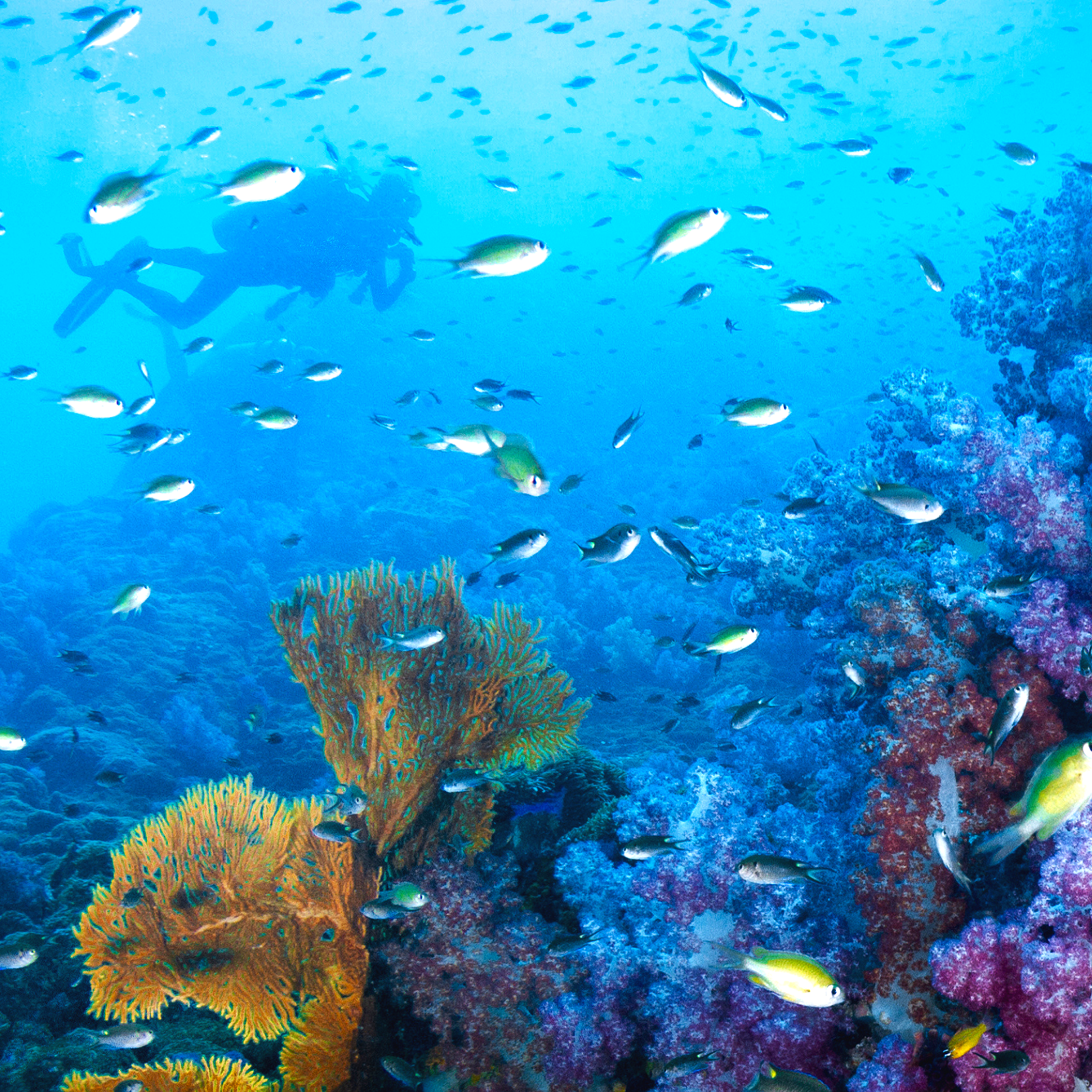
Funding Marine Protected Areas
1 Ocean Beer = 1 Parcel of Ocean (really) Protected
Half of Ocean Beer’s profits support the deployment of Marine Protected Areas (MPAs) in the world’s most biodiverse and threatened regions - and where funding is most lacking. Currently, these MPAs are located in Indonesia, the Philippines and Tanzania.
Thanks to our partnership with Blue Alliance Marine Protected Areas, every Ocean Beer sold funds the protection of a real, quantifiable parcel of ocean:
33cl protect 210 m² of ocean
50cl protect 320 m² of ocean
75cl protect 480 m² of ocean
The successful recovery of these marine ecosystems is measured and independently certified by experts working with the foundation of the CNRS (France’s leading research body).
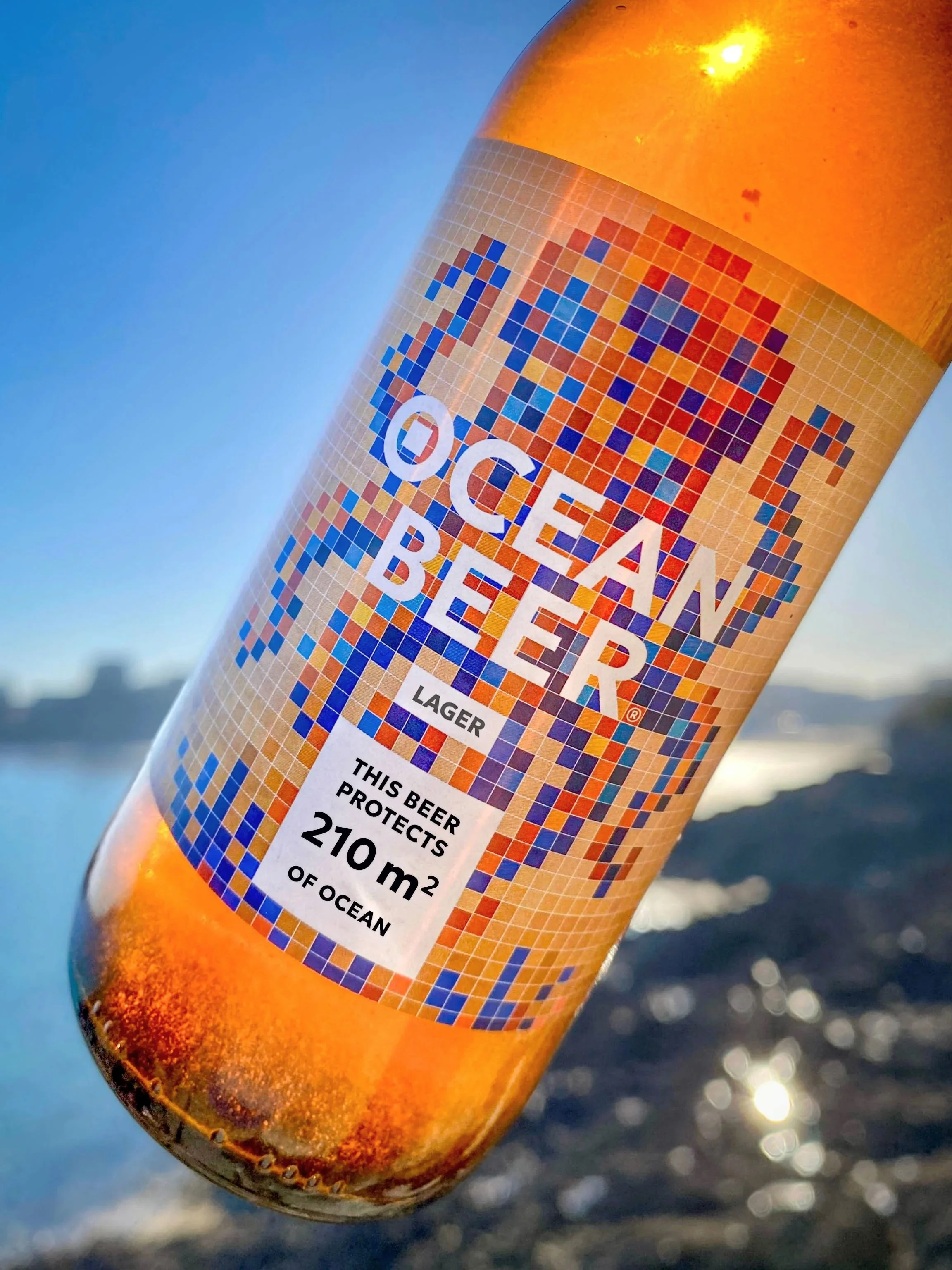
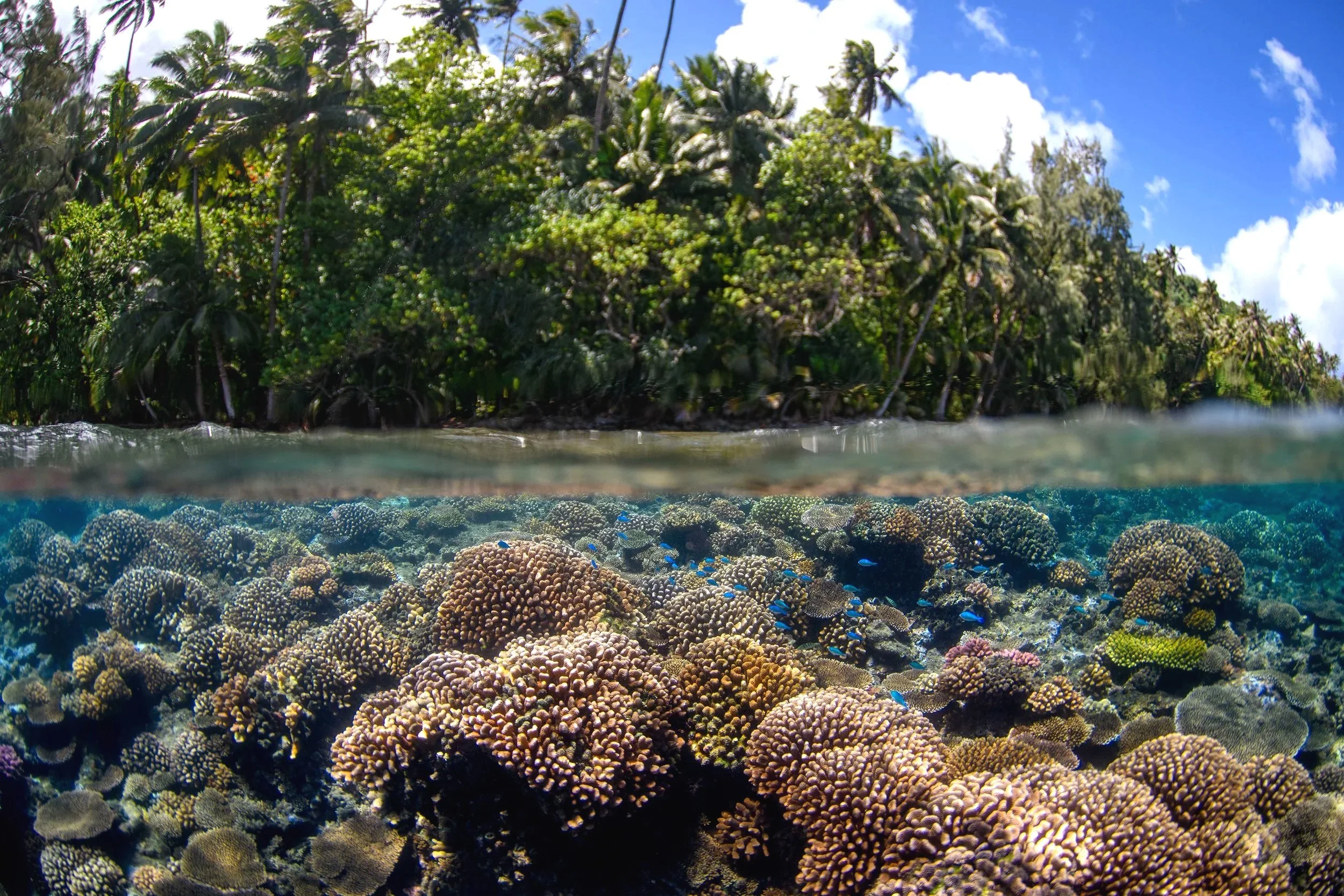
Photo: Vetea Liao
Why did we choose to support MPAs?
MPAs are among the most effective solutions known to marine scientists for restoring marine life. Much like national parks on land, human activities within MPAs are managed or restricted to allow marine ecosystems to recover and gradually thrive again.
Well-managed MPAs achieve remarkable results over time, including:
Restoring marine life: Fish populations increase in abundance, size, and diversity, with more individuals reaching reproductive age.
Regenerating habitats: Coral reefs, seagrass meadows, and mangroves are given time to recover and can once again provide essential ecosystem services, including food and shelter for hundreds of species, water filtration, carbon capture, and coastal protection.
Supporting food security: As fish populations grow within MPAs, they naturally spill over into surrounding waters—improving nutrition for local communities.
Building climate resilience: By removing major local stressors, ecosystems become more resilient to ocean warming, acidification, and extreme weather, and can recover more quickly from their impacts.
Strengthening community livelihoods: Activities generated by MPAs (such as MPA staffing and eco-tourism) create new sources of income and better job security for local communities.
How MPAs Work in Practice?
To achieve real positive impacts, the MPAs we fund are implemented in collaboration with local governments and rely on active management and enforcement measures, including:
Banning destructive fishing methods: Practices such as dynamite fishing or bottom trawling are strictly prohibited.
Creating no-take zones: Areas containing critical habitats or endangered species are fully protected from all extractive activities, including fishing.
Monitoring and enforcement: Regular patrols, conducted jointly with local authorities, ensure rules are respected and help raise awareness about conservation measures.
Collaborating with communities: Coastal communities are supported in developing sustainable economic activities that are compatible with ocean conservation.
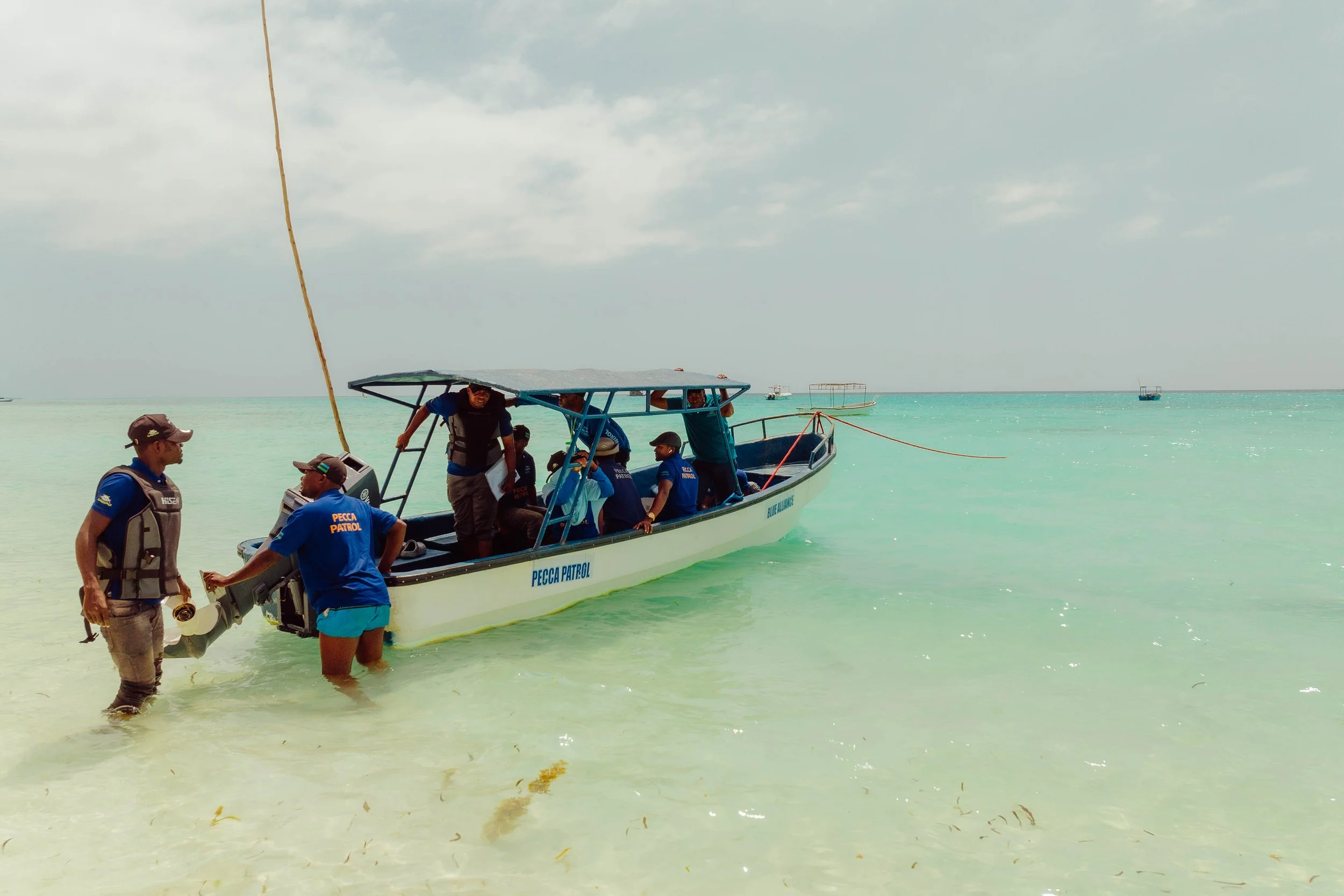
Photo: Blue Alliance
A Rigorous, Science-Led Approach
To ensure these protection efforts translate into tangible benefits for local ecosystems, recovery is carefully monitored using science-based indicators, including:
The regeneration of coral reef ecosystems
The increase in fish biomass
The amount of mangroves restored and the corresponding CO₂ absorbed
The number of sustainable jobs created within MPAs and reef-positive businesses
Both the methodology and the results from these Marine Protected Areas are independently verified and certified by experts from the Fondation du CNRS.
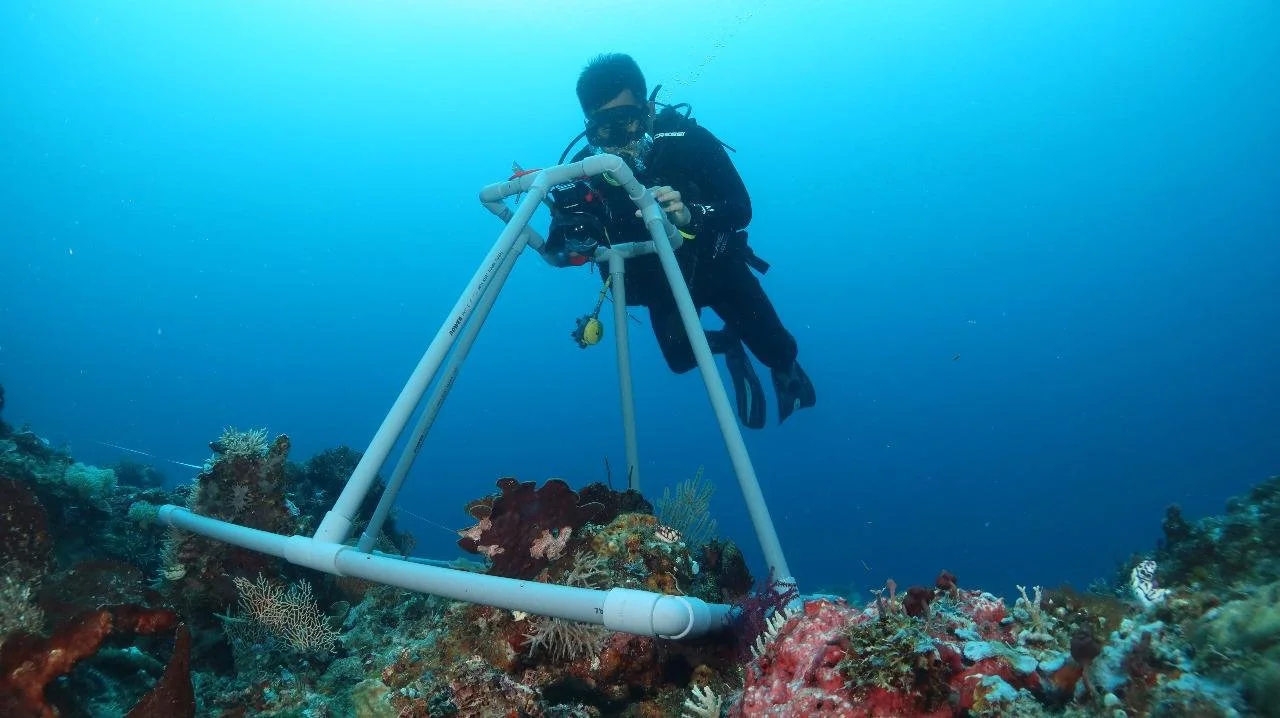
Photo: Blue Alliance
About our Partner Blue Alliance
Founded in 2015, Blue Alliance has a bold objective: to protect 25% of the world's coral reefs by 2050.
Blue Alliance has already deployed and actively manages 1.7 million hectares of MPAs in some of the planet’s most fragile yet critically important ecosystems where funding is critically lacking — in the Philippines, Indonesia, and Tanzania.
In these regions, destructive practices such as dynamite fishing, use of poison and illegal fishing gears can result in immense damage to the reefs and overall ecosystem health.
Their mission
Blue Alliance’s innovative model allows for the funding they receive (such as Ocean Beer's) to serve as seed capital to launch new MPAs in their network.
Blue Alliance then deploys reef-positive, revenue-generating community businesses in each MPA — such as cucumber farming, ecotourism, blue carbon credit projects, or plastic collection & recycling — that cover up to 80% of each MPA’s operating costs.
This approach allows MPAs to quickly become self-sufficient, meaning every new donation from Ocean Beer can be reinvested into launching new Marine Protected Areas — a remarkably virtuous and scalable model!
Their model
110 MPAs actively managed across 4 networks
1.7 million ha of coral reef ecosystems under recovery
300,000+ ha of mangroves being regenerated
70+ threatened species protected
18,000+ people with enhanced livelihoods
12 reef-positive businesses in development
130+ jobs created
38 new MPAs in preparation
Their impact to date
Why don’t MPAs Receive Enough Funding?
Despite international recognition for the critical & cost-effective role played by Marine Protected Areas, up to 65% of MPAs globally lack adequate budgets for basic management, and around 90% do not have sufficient staff to carry out their core functions. As a result, many MPAs exist only on paper — often referred to as “Paper Parks” - created for political gain only.
Blue Alliance has been successful in securing alternative sources of funding, moving beyond the chronically limited model of government funding. Ocean Beer proudly joins this group of alternative funding partners.
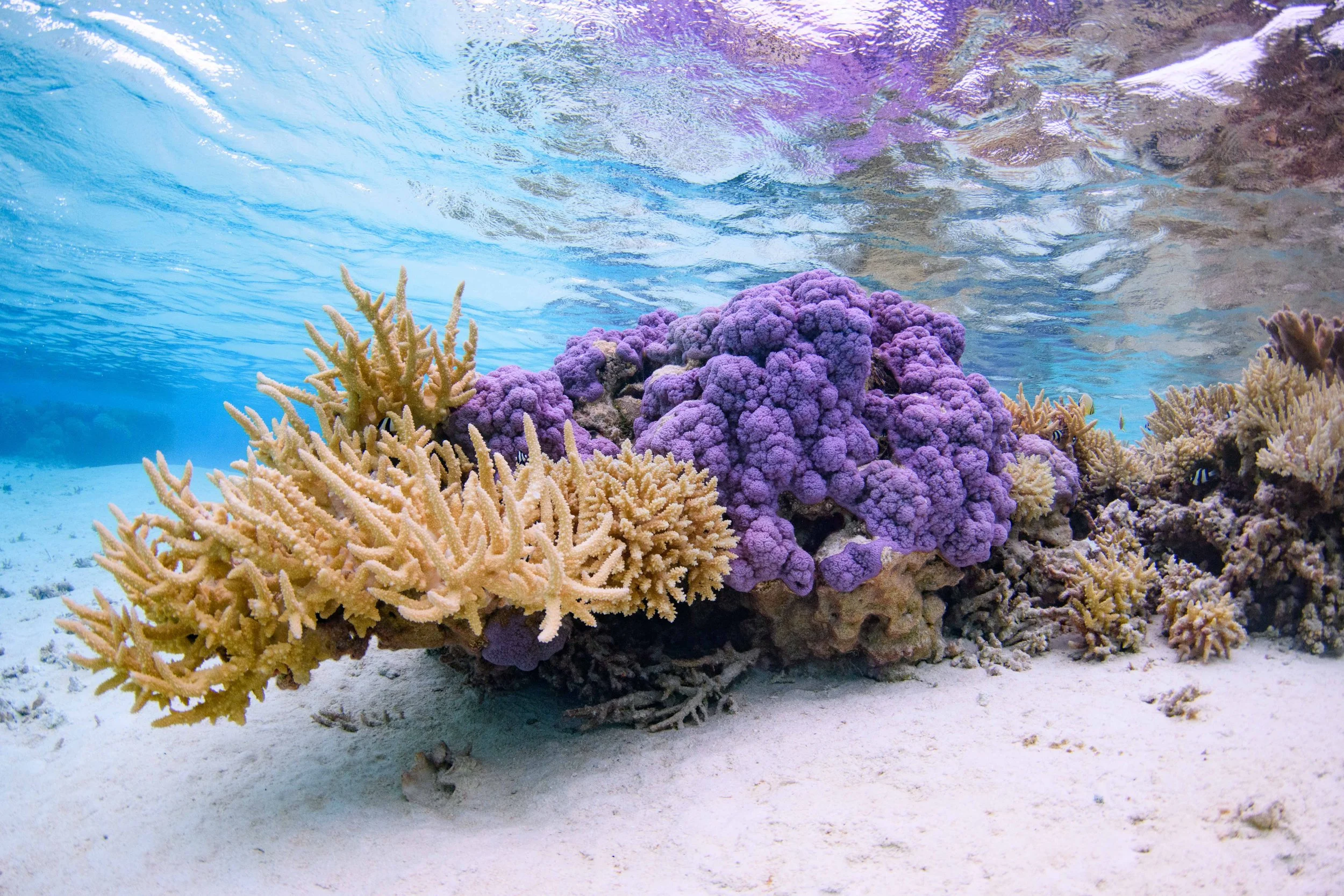
Photo: Vetea Liao